

Table of Contents
Mercedes EQ Problems and Their Root Causes
The Mercedes EQ lineup represents the future of the brand powerful electric motors, high-voltage batteries, advanced cooling circuits, and a digital architecture far more complex than any combustion Mercedes. But with this innovation comes a new generation of Mercedes EQ problems: HV isolation faults, battery-cooling failures, charging issues, inverter errors, and reduction-gear noises.
This hub is your complete guide to understanding, diagnosing, and repairing Mercedes EQ systems.
If you work on EVs, own one, or want to understand how Mercedes electric vehicles really work, this page connects you to everything you need.
Mercedes EQ Models (All Generations & Variants)
Explore each electric model, its platform, common faults, and technical characteristics:
– EQA (H243) : Compact EV based on the GLA
– EQB (X243) : 7-seat electric crossover
– EQC (X293) : First Mercedes EV SUV
– EQE (V295 / X294) : Electric business sedan & SUV
– EQS (V297 / X296) : Flagship luxury EV sedan & SUV
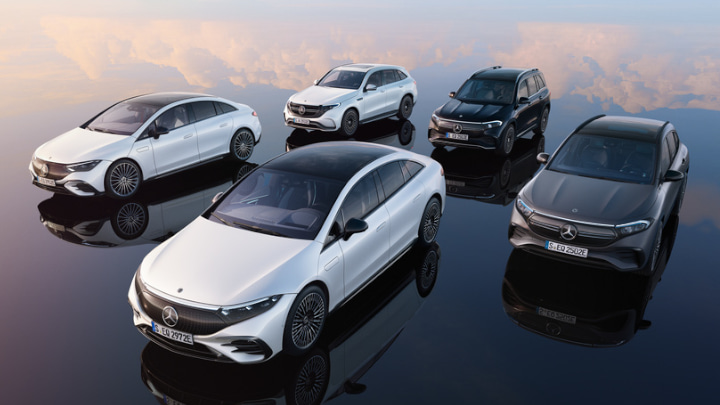
Each model has a unique thermal management system, HV battery configuration, and known problem patterns.
Common Mercedes EQ Problems Overview
EVs don’t suffer from misfires or oil leaks but they have their own family of failures, especially in high-voltage components.
Here are the most frequent EQ problems seen in real workshops:
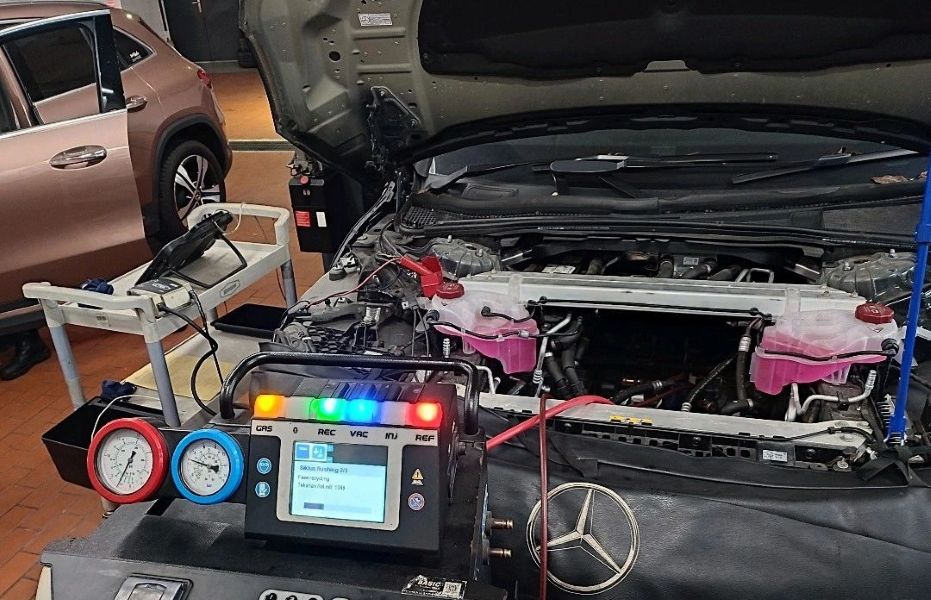
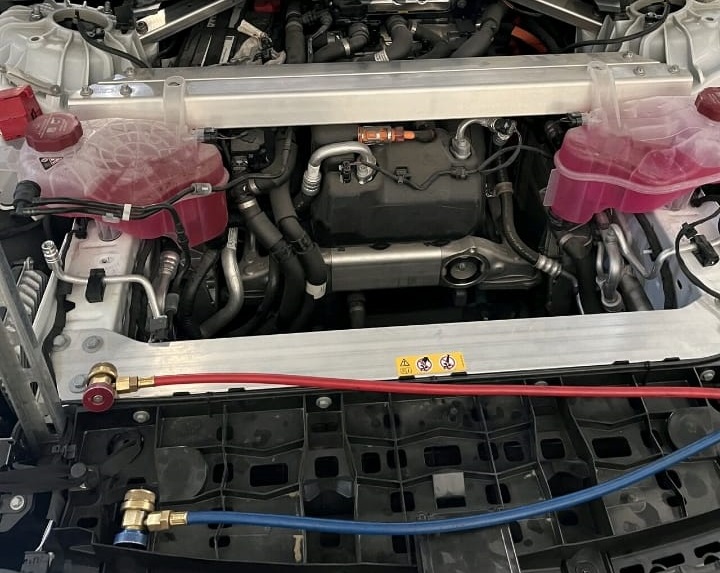
1. High-Voltage Battery Cooling Failures
– Stuck expansion valve (Y140/1)
– Internal cooling plate blockage
– Chiller malfunction (refrigerant–coolant interface)
– A/C refrigerant leaks affecting battery temperature
This often triggers a “Cooling System Fault” warning in the instrument cluster.
2. Isolation Resistance Faults
One of the most serious EV errors.
Causes include:
– Moisture inside HV battery
– Damaged wiring harness
– Faulty HV heater
– Defective DC/DC converter
– Electrolyte leak
XENTRY typically returns high-voltage BMS codes or ISO_RES_LOW messages.
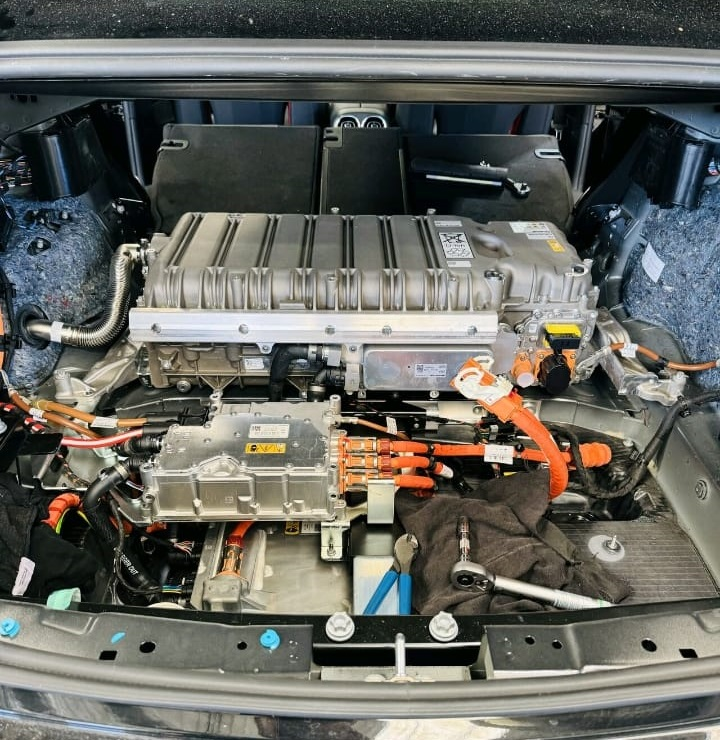
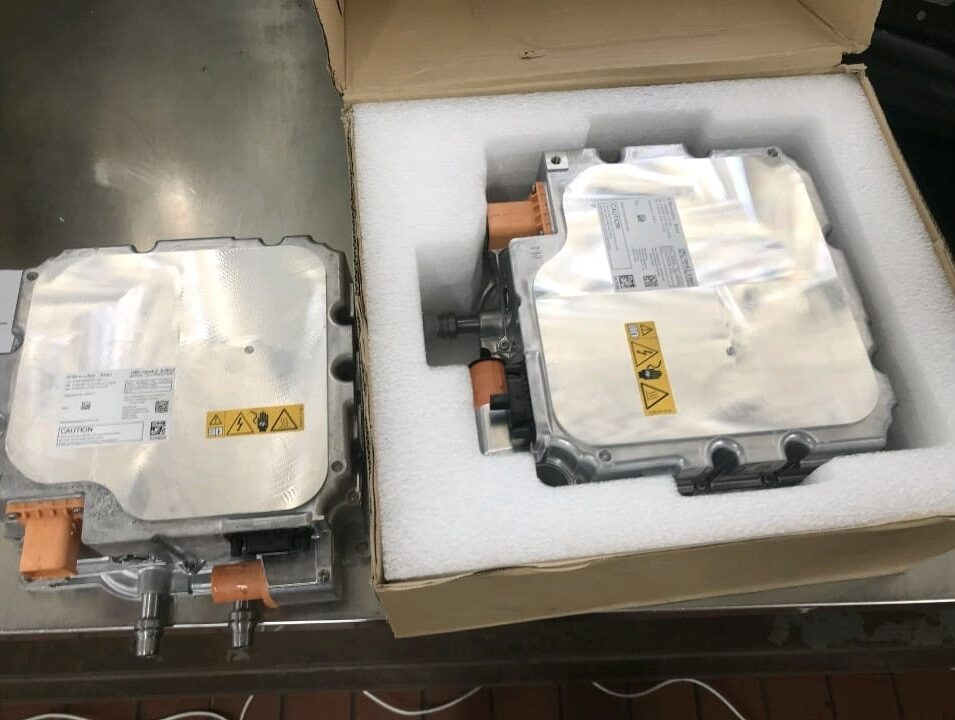
3. On-Board Charger (OBC) Malfunctions
Symptoms:
– Slow or no AC charging
– Charging interrupted
– Error “Charging cable connected but charging impossible”
Faulty components:
– AC/DC rectifier
– Cooling of OBC
– Control board failures
4. DC Fast Charging Issues
Often caused by:
– High contact resistance
– Faulty HV contactors
– HV battery state-of-health (SOH) limitation
– Cooling system underperformance
5. Inverter / Power Electronics Overheating
Symptoms:
– Reduced power
– Limp mode
– “Drive system malfunction”
– No acceleration
Causes:
– Coolant flow restriction
– Internal semiconductor failure
– Overstressed IGBTs
6. HV Battery Management System (BMS) Errors
The BMS is the brain of the battery pack.
Typical failures:
– Temperature sensor faults
– Voltage imbalance in modules
– Software corruption
– Safety shutdown due to detected risk
7. Reduction Gear / Electric Drive Unit (EDU) Noise
Very common in EQB, EQC, and EQA.
Symptoms:
– Humming
– Whining
– Grinding
– Drone on acceleration
Often related to:
– Gear wear
– Poor lubrication
– Bearing deterioration
High-Voltage Components Explained
Understanding EQ architecture is essential for diagnosing it.
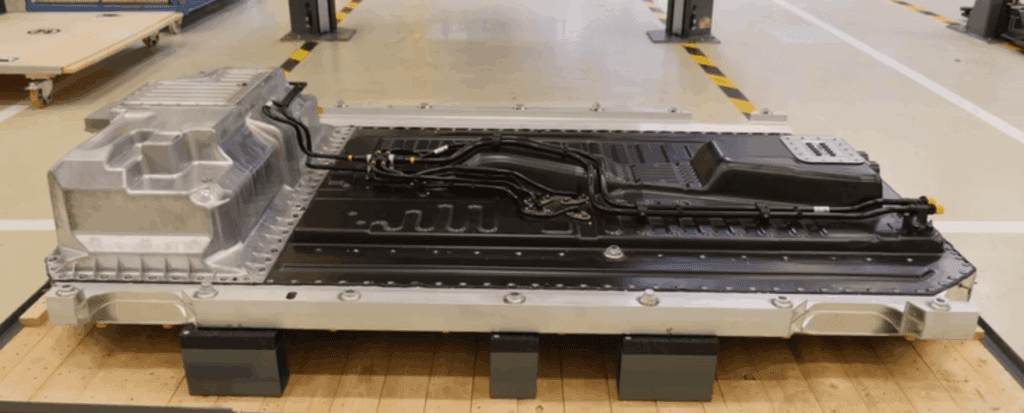
1. HV Battery Pack
Contains:
– Lithium-ion modules
– Cooling channels
– HV contactors
– BMS
– Temperature probes
– Isolation monitoring system
Mercedes uses both:
– 400V systems (EQA, EQB, EQC)
– 450–500V systems (EQE, EQS)
2. Inverter (Power Electronics)
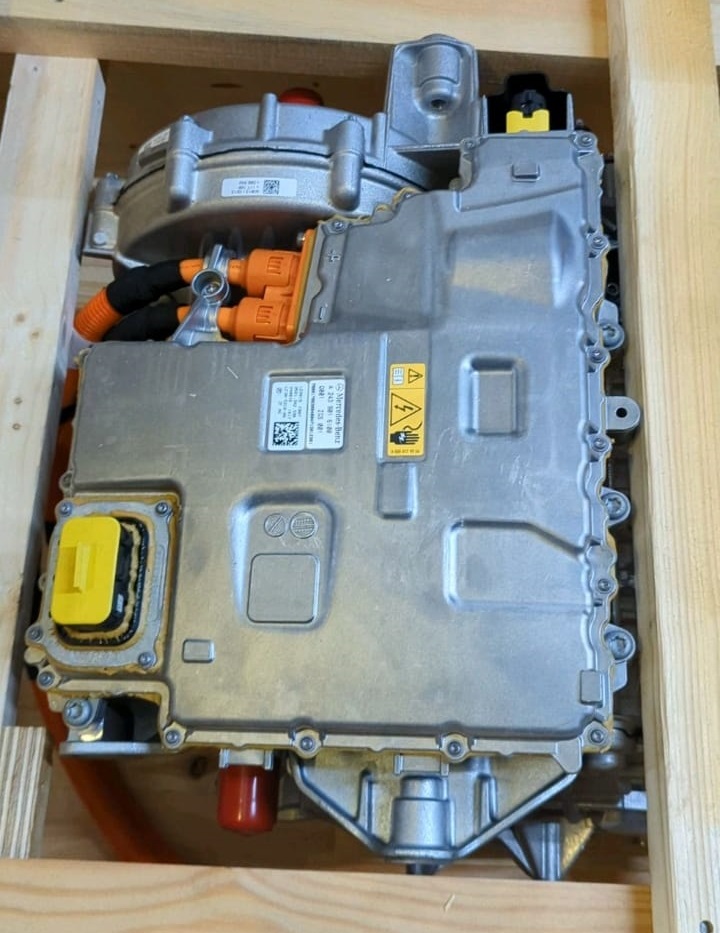
Converts DC battery power to AC for the motor.
Key components:
– IGBTs / MOSFETs
– Gate drivers
– DC link capacitors
– Cooling rails
Failures in this unit often cause loss of power.
3. Electric Drive Unit (EDU)
Combines:
– Motor
– Inverter
– Reduction gear
– Differential
Common issue: gear whine.
4. HV Contactors
Internal switches controlling battery output.
Problems:
– Welding
– Sticking
– No pre-charge
Leads to “Drive not possible.”
5. DC/DC Converter
Steps battery voltage (400V) down to 12V.
If this fails:
– 12V battery drains
– Car won’t start
– HV system cannot wake up
EQ Cooling System Problems (Critical for EV Health)
Mercedes EVs rely heavily on a complex thermal management system:
Liquid Cooling Includes:
– HV battery cooling loop
– Inverter cooling loop
– EDU cooling
– Cabin A/C for battery conditioning
Common failures:
– Low refrigerant (battery overheats)
– Blocked cooling plate
– Chiller not circulating
– Faulty expansion valve
– Weak coolant pump
This causes power reduction, charging limitation, and HV shutdown.
Diagnostics & Repair: How Technicians Approach EQ Faults
Mercedes EV diagnostics require a different mindset.
Here is what technicians check:
XENTRY HV guided tests
Including:
- – Isolation resistance measurement
- – Contactor activation
- – Cooling pump output
- – Battery temperature evaluation
- – HV interlock loop
Measuring HV insulation
Using:
- – EV insulation testers
- – Safe testing protocols
- – Pre-charge verification
Reading real-time HV values
Like:
- – Battery module voltages
- – Temperature spread between modules
- – Inverter heat saturation
- – Coolant temperature delta
Understanding EV safety protocols
Including lockout-tagout and HV glove handling.
EQ Maintenance & Ownership Tips
Optimize battery health
- – Avoid daily 100% charges
- – Avoid deep discharges
- – Use preconditioning
Thermal management habits
- – Don’t DC fast-charge repeatedly in hot weather
- – Always fix refrigerant leaks promptly
- – Keep cooling circuits maintained
Software updates
Mercedes pushes major EV updates for:
- – Range optimization
- – Charging curves
- – Thermal limits
Buying Advice: Best and Worst Mercedes EQ Models
Most Reliable EQ Models
- – EQE (newer platform, fewer issues)
- – EQS (strong thermal management)
Models with More Reported Issues
- – EQC (early EV architecture, drivetrain noise)
- – EQA/EQB (reduction gear noise, cooling pump failures)
Related Technical Hubs
Guide your reader across your content ecosystem:
– Mercedes Electrical Problems: Fix SAM, ECU & CAN Bus Faults
– Mercedes Cooling System Problems Guide: Troubleshooting
– Mercedes Engine Leaks – Full Troubleshooting Guide
– Mercedes Driver Assistance System Faults: Radar, Blind Spot Fixes
– Mercedes Brake System Problems: ABS, ESP & Brake Assist Guide
FAQ: Mercedes EQ Troubleshooting
Are Mercedes EQ cars reliable?
Yes, but like all EVs, they depend heavily on cooling and high-voltage systems. Many issues arise from cooling circuit faults or BMS errors.
Why does my EQ show a “Cooling System Fault” warning?
Usually due to a stuck expansion valve, low refrigerant, or a failing pump. This directly affects battery temperature and must be fixed immediately.
Can I drive with an HV isolation fault?
No. The HV system will usually shut down for safety to prevent electrical shock or damage.
Why is DC fast charging slow or unavailable?
Because the battery is too hot or too cold, or because of OBC/contactor limitations.
Conclusion
The Mercedes EQ family is transforming mobility but diagnosing these vehicles requires a solid understanding of high-voltage systems, cooling circuits, and complex power electronics.
This hub brings together everything you need to master the EQ world, from model-specific faults to advanced HV diagnostics.
Whether you’re a technician, an EV owner, or a future Mercedes buyer, this page is your complete guide to navigating the electric future of Mercedes-Benz.
— Salim, Mercedes Expert
Independent specialist in Mercedes-Benz diagnostics, CAN Bus analysis, troubleshooting case studies, and EV systems.