

Table of Contents
Case Study: Smell of Fuel Inside Car; Mercedes C300 (M274 Engine)
A fuel smell inside the cabin is more than just unpleasant it’s a safety concern that can signal a fuel leak or vapor intrusion. For a complete overview of all oil and fuel leak issues across Mercedes engines, refer to the Mercedes Engine Leaks: Full Troubleshooting Guide, which covers common leak points, symptoms, and verified case studies.
This case study focuses on a Mercedes-Benz C300 W205 equipped with the M274 engine, where the customer reported a persistent fuel smell inside the cabin, especially during cold morning starts.
Customer Complaint: Smell of Fuel Inside the Car
The customer noticed a strong fuel odor inside the cabin, particularly first thing in the morning.
This raised concerns about:
- – Cabin air contamination
- – Fire safety
- – Fuel system integrity
Initial Inspection: Fuel System Check
A complete inspection of the fuel system was performed using standard diagnostic steps:
Findings from the first inspection:
- – No visible fuel leaks
- – Fuel pressure values within specification
- – No engine warnings or drivability issues
At this stage, the source of the Smell of Fuel Inside Car was not yet identified.
Important Clue: Smell Occurs During Morning Starts
Through customer consultation, it was observed that the smell appears:
- – Only during morning start-up
- – When the HVAC system pulls fresh air from outside
- – Before the engine reaches operating temperature
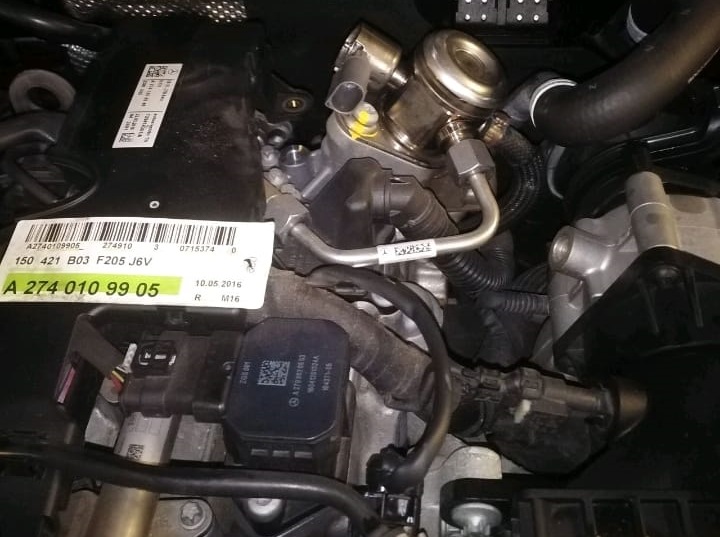
This clue suggested that fuel vapors from the engine bay were entering the fresh air intake system, which is located close to the high-pressure pump on the M274.
Closer Examination: High-Pressure Fuel Pump Area
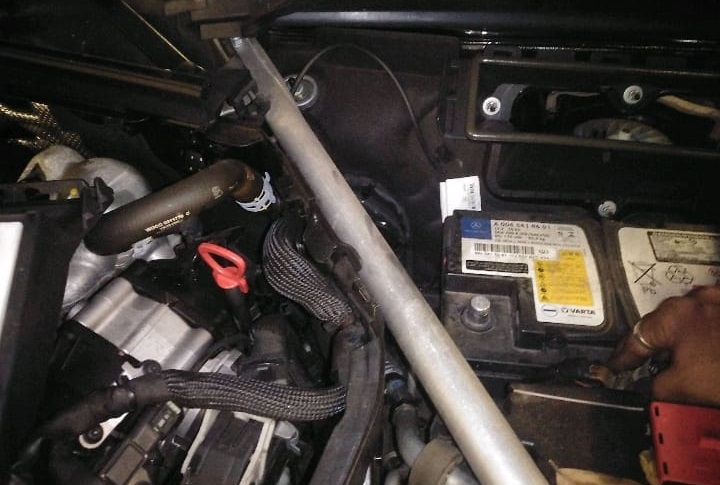
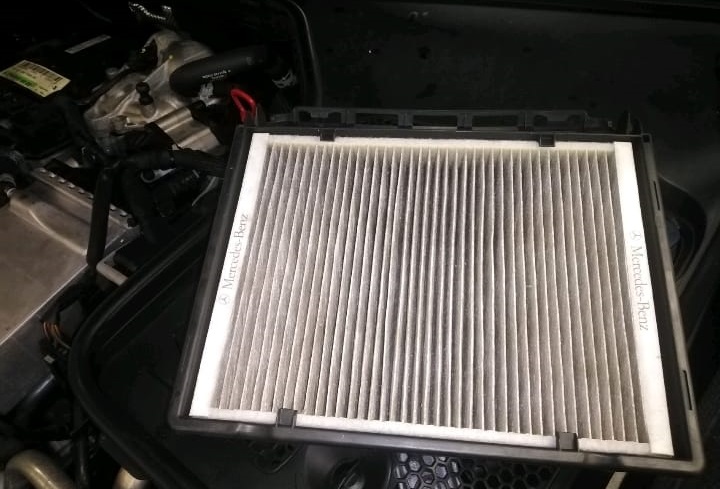
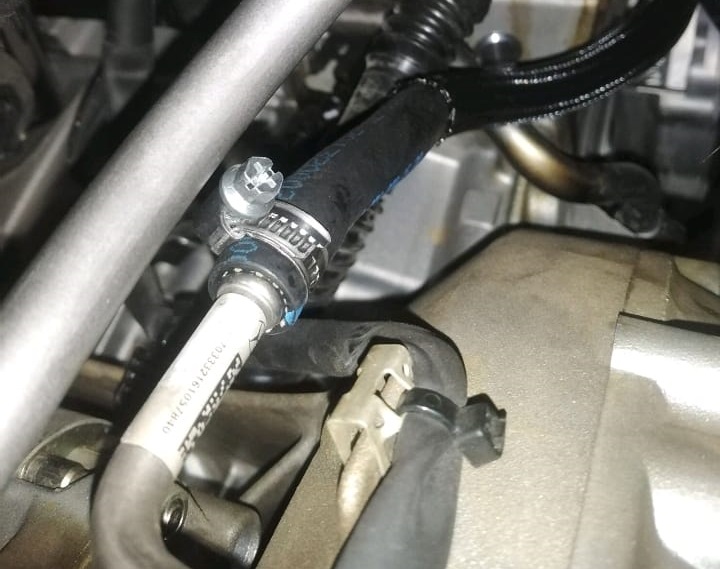
The technician removed the engine cover and inspected the high-pressure pump and dust filter area, which sits near the fresh air intake duct.
Key discovery:
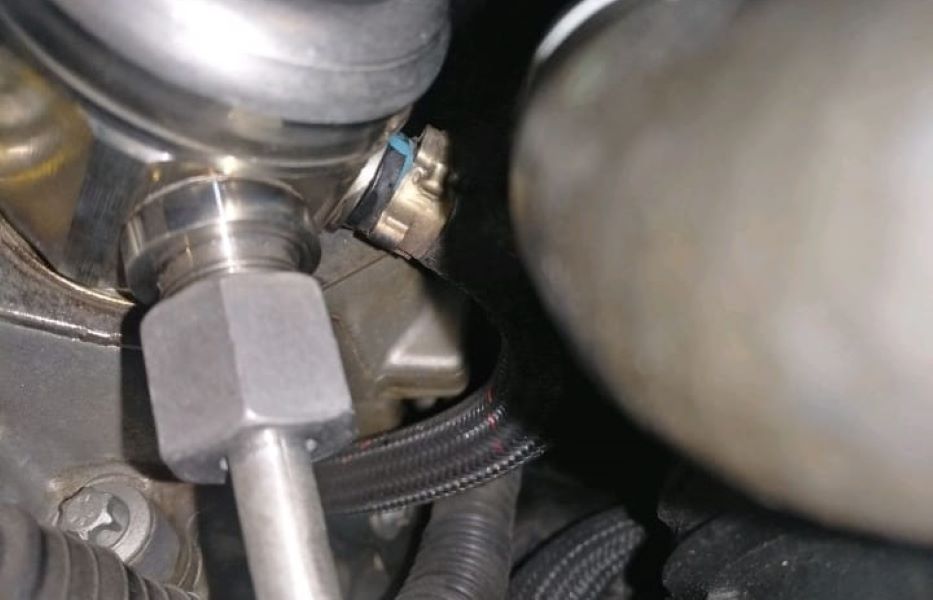
A slight crack in the fuel hose connected to the high-pressure pump.
Although the leak was small, the fuel seepage was enough to produce vapors that:
- – Accumulated overnight
- – Entered the HVAC intake during morning starts
- – Caused a strong fuel smell inside the cabin
Multiple visual checks confirmed fuel residue around the hose.


Corrective Action: Fuel Line + Dust Filter Replacement
To fully resolve the problem:
- – The fuel line feeding the high-pressure pump was replaced
- – The dust filter was also replaced due to contamination
- – All fittings were re-torqued to Mercedes specifications
After repair, the customer reported zero fuel odor, even during cold starts.
Conclusion
This case study demonstrates how a small crack in a high-pressure fuel line can cause significant cabin odor issues in the Mercedes C300 W205 with the M274 engine.
Although the leak was minor and not visible externally, fuel vapors entered the HVAC system during morning starts.
Accurate diagnosis and proper inspection of the high-pressure pump area are essential when dealing with fuel smells in Mercedes-Benz vehicles.
For broader coverage of fuel-related leaks, oil leaks, and engine lubrication issues, explore the Mercedes Engine Leaks: Full Troubleshooting Guide.
Why Can I Smell Petrol Inside My Car?
If you smell petrol inside your vehicle, one of the following issues is likely present:
1. Fuel Leak
A cracked line, damaged injector, faulty hose, or loose fuel cap can release fuel vapor into the cabin.
2. Faulty Fuel Pressure Regulator
A malfunctioning regulator can cause the engine to run rich, producing a petrol smell during idling or cold starts.
3. EVAP System Leak
A leak in the EVAP system purge valve, charcoal canister, or vapor lines can allow fuel vapors to escape.
4. Leaking Fuel Injector
Fuel injector seals can fail, leading to external leaks and vapor release.
5. Exhaust Leak
If unburned fuel is present in the exhaust system due to mixture issues, an exhaust leak can push fumes into the cabin.
6. High-Pressure Fuel Pump Leak (Common on M274 engine)
This was the exact cause in this case study.
A small crack in the fuel line near the pump allowed vapors to enter the fresh air intake, causing a strong fuel smell inside the cabin.
— Salim, Mercedes Expert
Independent specialist in Mercedes-Benz diagnostics, CAN Bus analysis, troubleshooting case studies, and EV systems.