

Table of Contents
Case Study: Auto Lights Inoperative in a Mercedes-Benz C300 W204
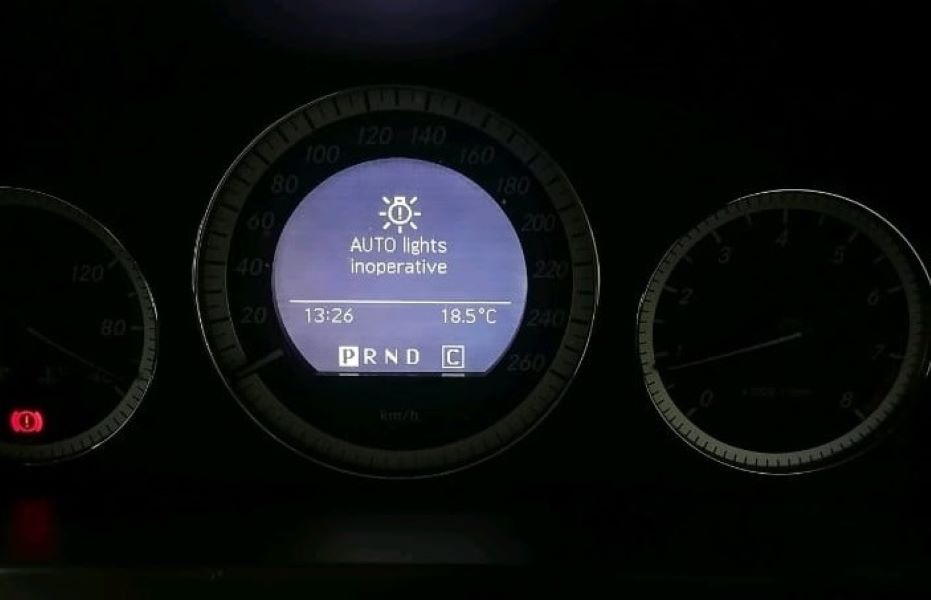
If you’re dealing with the Auto Lights Inoperative warning in your Mercedes, you’re not alone. This electrical fault is one of the most common issues reported in modern Mercedes models, especially those equipped with the Light & Rain Sensor Module (LRSM) mounted on the windshield.
This real workshop case study explains the exact diagnostic steps, fault codes, wiring checks, and repair process that solved the problem on a Mercedes-Benz C300 W204, helping you understand what causes this warning and how to fix it properly.
To explore more electrical fault case studies, you can check our hub:
Mercedes Electrical Problems: Fix SAM, ECU & CAN Bus Faults
Customer Complaint
Vehicle: Mercedes-Benz C300 W204
Problem:
- – Auto lamp function inoperative
- – Rain-sensing wipers not working
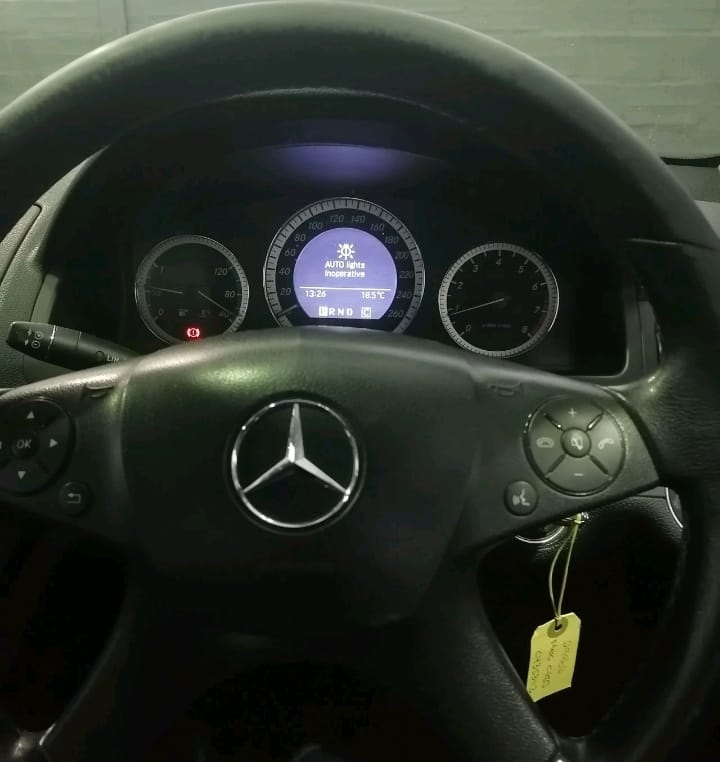
- – Dashboard message: Auto Lights Inoperative
Both functions stopped working at the same time a strong indication of a shared component failure.
Step 1 : Diagnostic Scan & Fault Code Analysis
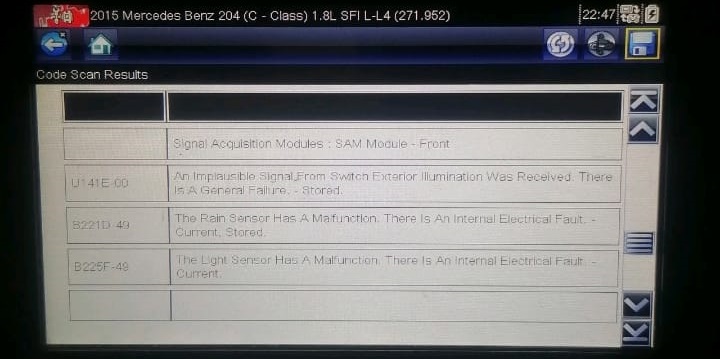
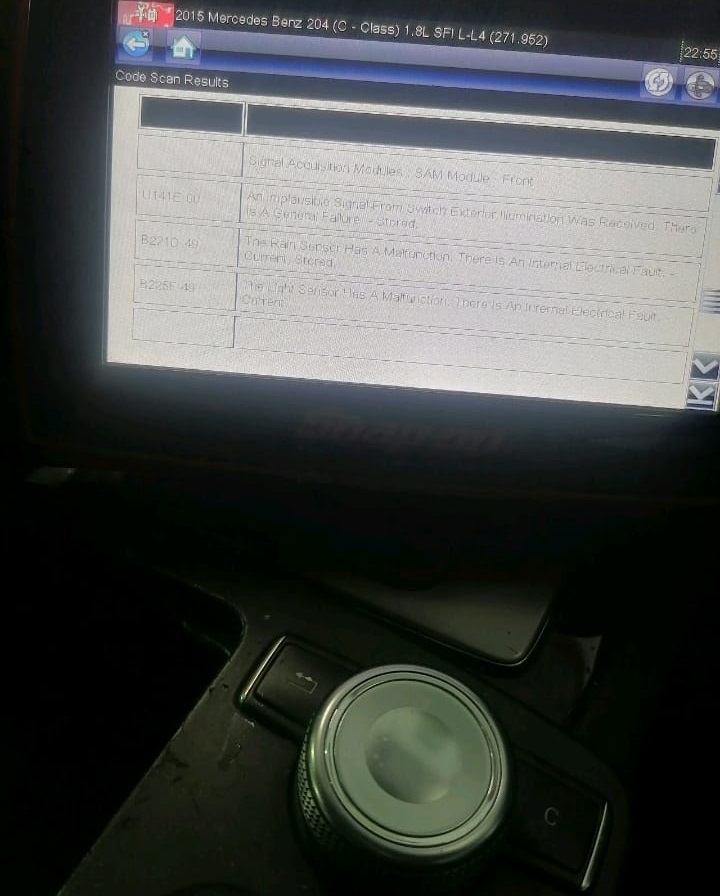
A full XENTRY scan revealed three fault codes affecting both lighting and rain-sensing functions:
Stored Fault Codes
| Control Unit | Fault Code | Description |
|---|---|---|
| SAM / CGW | U141E-00 | Implausible signal from illumination switch |
| LRSM | B221D-49 | Rain sensor internal electrical fault |
| LRSM | B225F-46 | Light sensor internal electrical fault |
These three codes together strongly indicate failure inside the LRSM module (light + rain sensor) rather than wiring or SAM faults.
Step 2 : Wiring Diagram Analysis & Physical Checks
Using the official wiring diagram, the following checks were performed:
Power Supply Verification
- – 12V supply present
- – Ground connection OK
- – No voltage drop under load
Resistance Tests
- – All signal wires within expected ohmic ranges
- – No short-to-ground and no short-to-power
- – CAN communication lines stable
Connector Check at LRSM Module
- – No corrosion
- – No damaged pins
- – Connector was tight and secure
With power, ground, and CAN network confirmed healthy, the suspicion intensified that the light/rain sensor itself was defective.


Step 3 : Confirming Internal Module Failure
Even after clearing faults:
- – Auto lights remained inoperative
- – Rain-sensing wipers did not react
- – Live data showed no change in sensor values
- – Covering the sensor did not trigger auto-light response
This meant the module was no longer providing valid data, confirming internal circuit failure.
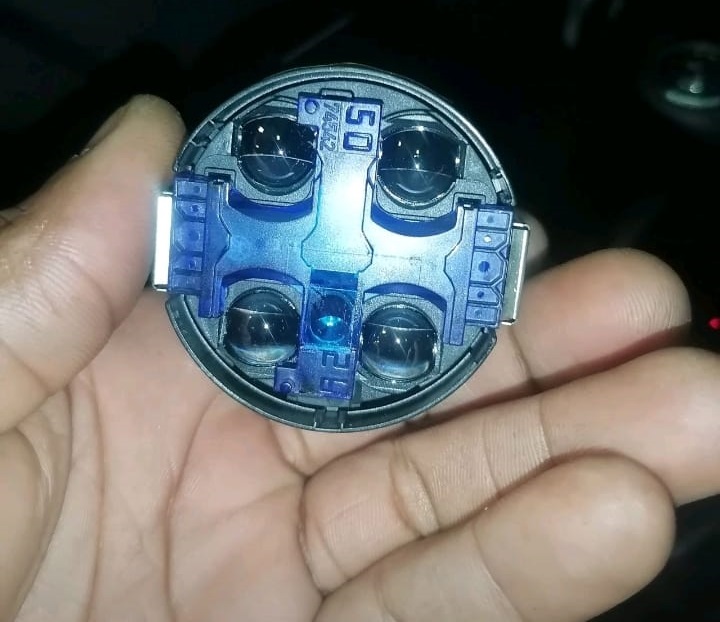
Step 4 : Replacement & Coding of Light/Rain Sensor
Because this sensor is programmed per vehicle configuration, a simple plug-and-play replacement will not restore functionality.
Repair Steps
- 1. Remove the mirror trim panel
- 2. Detach old LRSM sensor
- 3. Clean the optical gel area on the windshield
- 4. Install new LRSM sensor (OEM)
- 5. Perform XENTRY → Adaptations → Teach-in LRSM
- 6. Clear fault memory
- 7. Perform operational test (rain test + light test)
Post-Repair Results
- – Auto lights turned on immediately when sensor was covered
- – Rain-sensing wipers activated during spray test
- – No more warnings on the dashboard
Problem fully resolved.
FAQs
How does my car know when it’s raining?
Modern cars detect rain using a rain sensor mounted behind the rearview mirror. The sensor emits infrared light onto the windshield when the glass is dry, most of the light reflects back. When raindrops hit the windshield, the reflection pattern changes, and the system detects reduced light intensity. This triggers the windshield wipers automatically and adjusts their speed based on rainfall intensity.

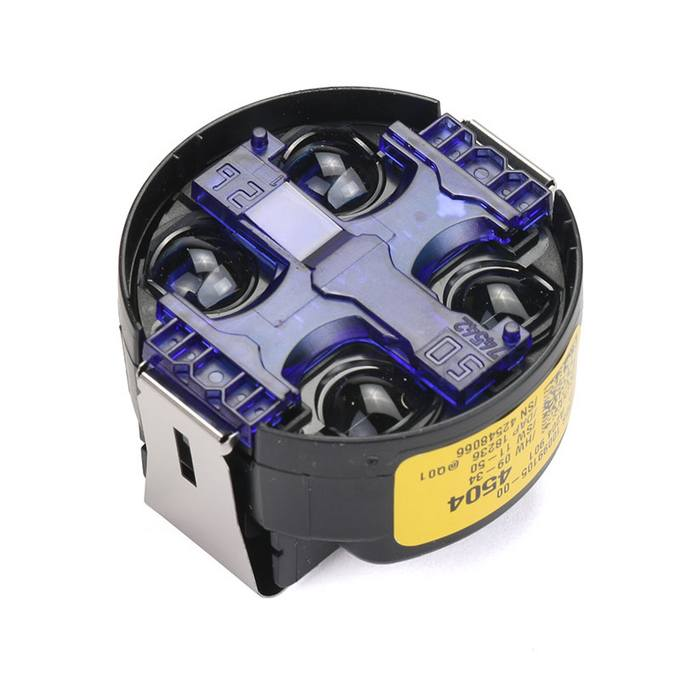
What is a light and rain sensor?
A light and rain sensor is a dual-function module integrated into the windshield area.
It performs two key roles:
- – Light sensor: Measures ambient brightness to automatically switch headlights on or off (e.g., at dusk or in tunnels).
- – Rain sensor: Detects moisture on the windshield and activates the wipers automatically.
Both features improve driving convenience and safety by adjusting to weather and lighting conditions without driver input.
How to tell if a car has a rain sensor?
You can identify whether a car has a rain sensor by checking the following:
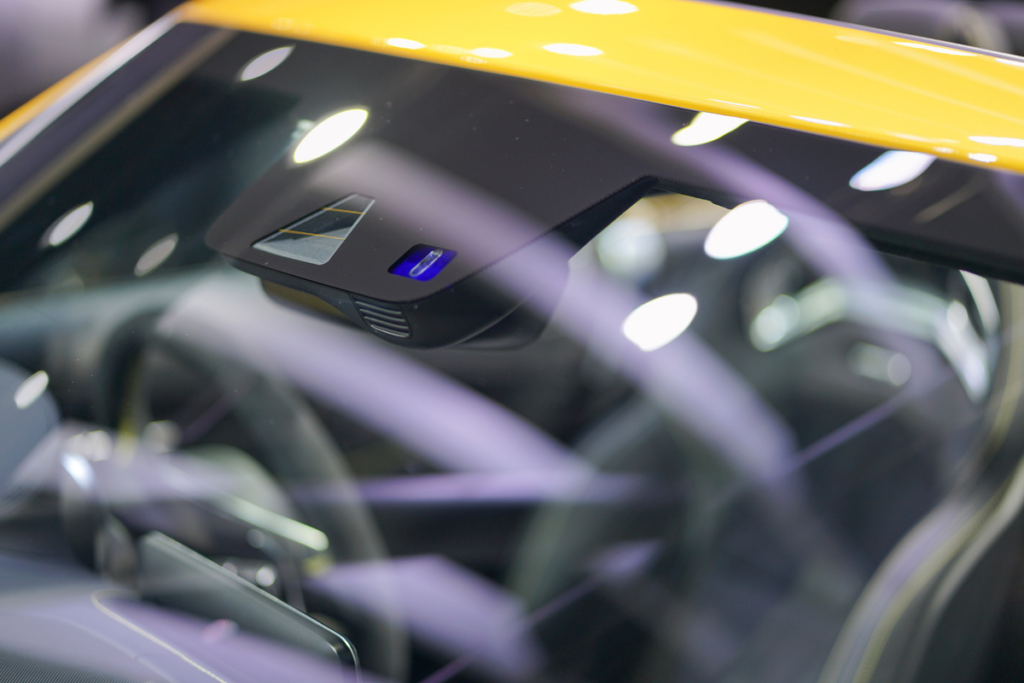
- 1. Look behind the rearview mirror: A small black or gel-backed module stuck to the windshield usually indicates a rain sensor.
- 2. Check the wiper stalk: If it has an “AUTO” mode, the car is equipped with automatic rain-sensing wipers.
- 3. Owner’s manual: The feature is usually listed under wipers or automatic systems.
- 4. Spray test: Lightly mist the sensor area on the windshield—if the wipers activate automatically, the car has a rain sensor.
— Salim, Mercedes Expert
Independent specialist in Mercedes-Benz diagnostics, CAN Bus analysis, troubleshooting case studies, and EV systems.