

Table of Contents
Engine Is Burning Oil in Mercedes-Benz GLE 300 (OM654): Full Diagnostic Case Study
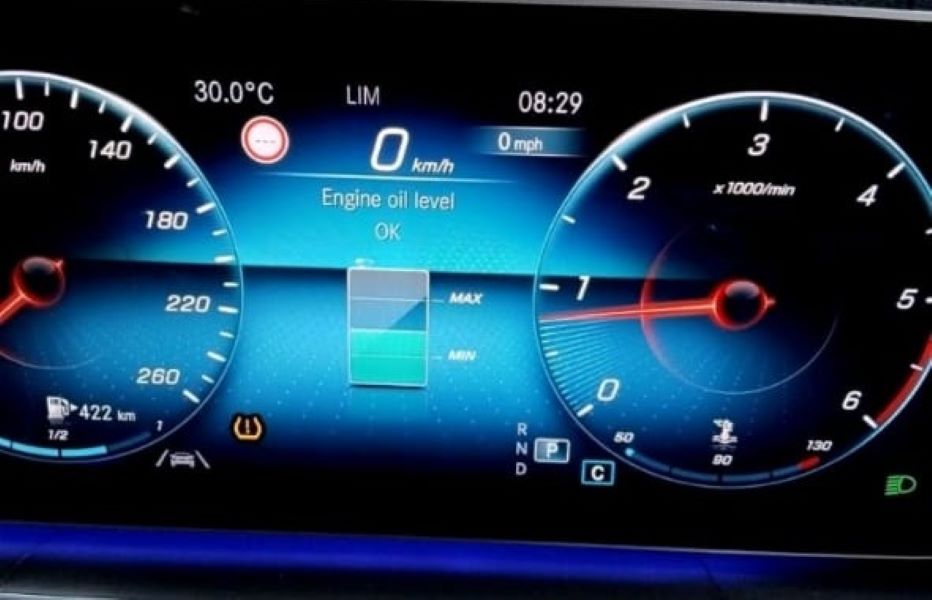
Excessive oil consumption is one of the most frustrating issues Mercedes owners can face especially when there are no visible oil leaks, no warning lights, and the vehicle appears to run normally. The OM654 engine is known for its refinement and efficiency, but like any high-performance modern diesel, it can experience internal oil burning issues if key components begin to wear.
For a complete list of all oil leaks, burning oil causes, and lubrication failures across Mercedes engines, visit the Mercedes Engine Leaks: Full Troubleshooting Guide, the main hub designed to help diagnose every type of engine oil problem with real workshop case studies.
In this case study, we investigate a Mercedes-Benz GLE 300 with the OM654 engine, brought in due to unusually high oil consumption. Here is the full diagnostic process that led to the true cause.
Customer Complaint
The owner reported:
- – A rapid drop in engine oil level
- – No visible oil spots under the vehicle
- – No smoke under normal driving
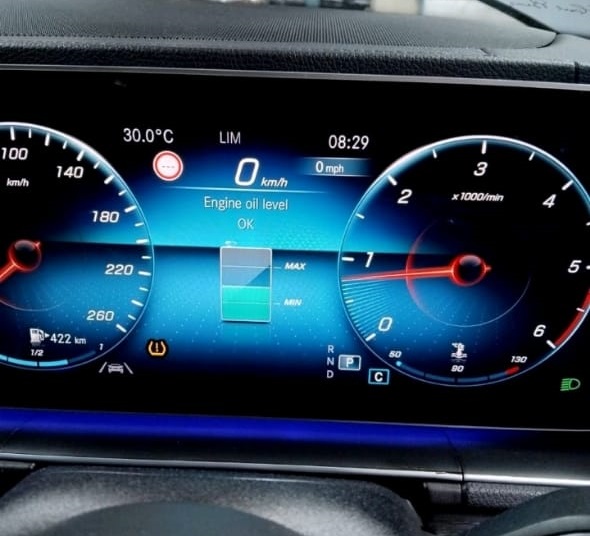
- – No error messages related to oil pressure or oil level
The core question was clear: Why is the engine burning oil if no external leaks exist?
Step-by-Step Diagnostic Process
1. External Visual Inspection
A thorough inspection was performed around:
- – Valve cover and gasket
- – Oil pan
- – Turbo oil feed/return lines
- – Timing cover
- – Oil cooler
Result:
No external oil leaks.
All areas were dry and showed no signs of oil spray or seepage.
2. Leak-Down & Compression Tests
These tests evaluate:
- – Cylinder sealing
- – Ring condition
- – Valve sealing
- – Head gasket integrity
Result:
Both tests returned normal values.
This ruled out issues like compression loss, valve leaks, or head gasket failure.
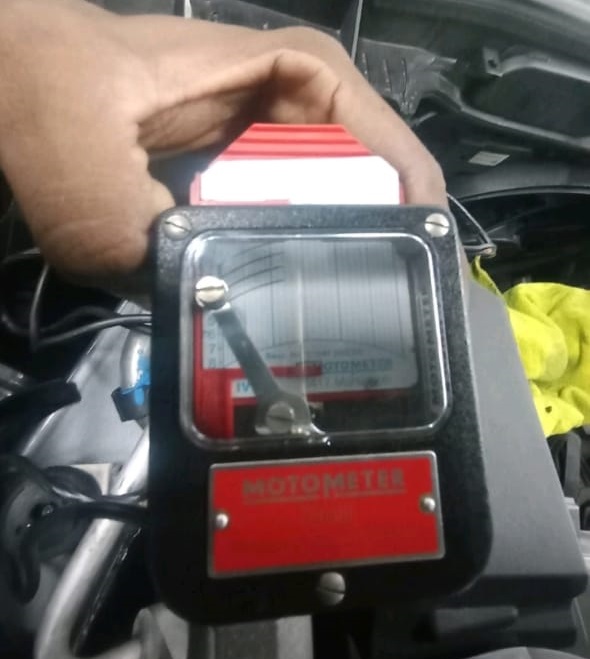
3. Intercooler Inspection for Oil Ingress
The intercooler was removed to check for oil accumulation a common sign of turbo seal failure.
Result:
No oil detected inside the intercooler.
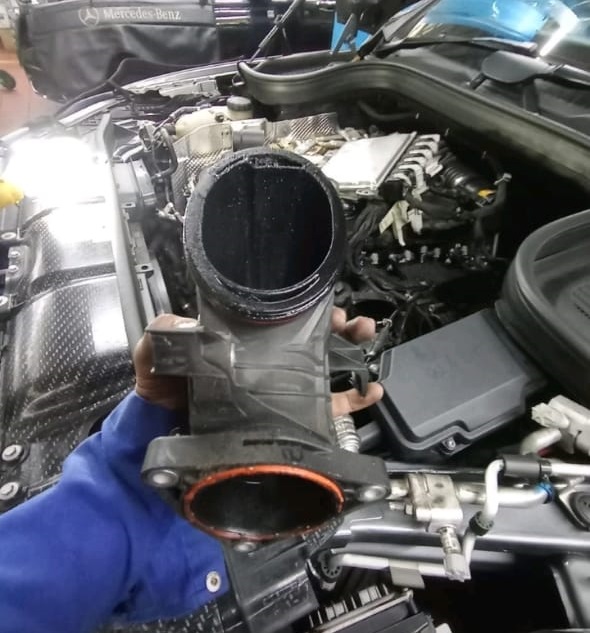
4. Air Intake System Examination
The intake duct, turbo inlet, and air intake hose were checked for oil residue.
Result:
Intake system was completely clean, eliminating PCV or turbo blow-by as primary causes.
Deeper Investigation: Internal Causes Suspected
With normal compression, no external leaks, and a clean intake system, attention turned to internal oil consumption sources.
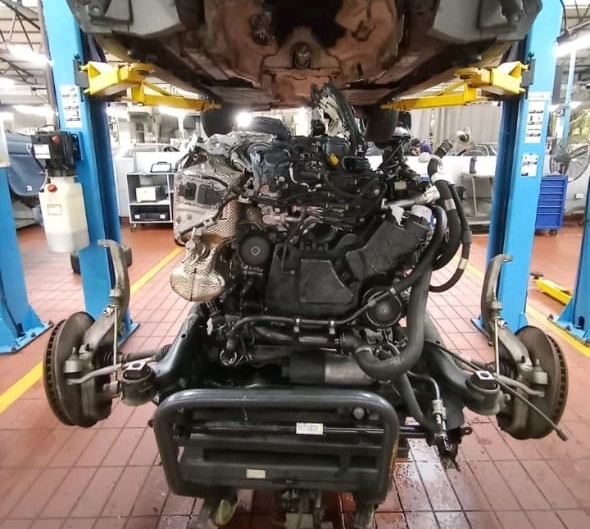
1. Engine Removal
To access internal components and measure critical clearances, the engine was removed from the vehicle for complete teardown.
2. Turbocharger Disassembly
The turbocharger was opened and inspected.
Finding:
Oil traces were present inside the turbo housing, indicating internal leakage.
This is commonly caused by:
- – Worn turbo seals
- – Excess crankcase pressure
- – Bearing wear
However, more evidence was needed before replacing the turbo.
3. Piston Oil Ring Analysis
The pistons were removed for detailed inspection.
Critical finding:
The oil control ring clearance was far beyond Mercedes specifications.
This excessive clearance allowed engine oil to bypass the rings and enter the combustion chamber leading to silent oil burning with no visible smoke.
This is a known root cause in cases where the engine burns oil but shows:
- – No external leaks
- – Normal compression
- – Clean intake system
Final Diagnosis
Root Cause: Excessive piston oil ring clearance
This allowed:
- – Oil to bypass the rings
- – Oil to be burned during combustion
- – Rapid oil level drop without noticeable smoking
Compression remained normal because only the oil control rings were worn, not the compression rings.
Repair Procedure
1. Replacement of Piston Oil Rings
New piston oil rings were installed and measured meticulously to ensure clearances were within Mercedes-Benz specifications.
2. Turbocharger Cleaning & Reinstallation
Since oil traces were found inside the turbocharger:
- – The turbo was cleaned
- – Internal passages were flushed
- – Seals were inspected
- – The unit was reinstalled
3. Engine Reassembly & Installation
The engine was reassembled with new seals, torqued to factory specifications, and installed back into the vehicle.
4. Post-Repair Validation
- – Compression test → Passed
- – Leak-down test → Passed
- – Oil consumption monitored → Stable
- – Road test → No smoke or abnormal behavior
The oil burning issue was fully resolved.
Key Takeaways for Mercedes Owners
If your Mercedes engine is burning oil, follow these steps:
1. Check for external leaks first
Eliminate simple issues before deeper diagnostics.
2. Perform compression & leak-down tests
Good compression + high oil consumption usually indicates oil ring issues.
3. Inspect the turbocharger
Internal seal leakage can contribute to oil burning.
4. Examine piston oil rings
Excessive clearance is a very common hidden cause.
5. Always follow Mercedes specifications
Proper ring gap and torque specs are critical to long-term reliability.
How Often Should You Change Engine Oil?
1. Mercedes-Benz Recommended Interval
- – Every 10,000 miles (16,000 km) or 12 months
- – Oil type: Fully synthetic MB 229.51 / 229.52
2. Severe Conditions
For harsh use short trips, extreme heat/cold, towing:
- -> Every 5,000–7,500 miles (8,000–12,000 km)
3. Follow the Oil Life Monitor
Modern Mercedes engines measure:
- – Driving habits
- – Temperature
- – Oil degradation
And notify you when a service is required.
Conclusion
This case study demonstrates how a Mercedes GLE 300 with the OM654 engine developed a severe oil consumption problem due to worn piston oil rings. With proper diagnostics, internal inspection, and OEM-spec repairs, the issue was completely resolved.
If you are troubleshooting an oil-burning issue in your Mercedes, make sure to explore the Mercedes Engine Leaks: Full Troubleshooting Guide, where you’ll find complete diagnostic steps, common leak locations, and additional case studies.
— Salim, Mercedes Expert
Independent specialist in Mercedes-Benz diagnostics, CAN Bus analysis, troubleshooting case studies, and EV systems.