

Table of Contents
Throttle Lag in Mercedes-Benz ML W166 (OM642): Real Case Study and Fix
When Throttle Lag Becomes a Real Problem
Throttle lag can quickly transform a refined Mercedes-Benz driving experience into a frustrating one especially in powerful diesel SUVs like the ML W166 equipped with the OM642 engine.
For many drivers, delayed acceleration or an unresponsive throttle often signals a deeper issue within the engine’s electronic or exhaust management system.
In this real-world case study, we’ll explore how a hidden exhaust pressure sensor fault caused severe throttle lag, illuminated the check engine light, and affected drivability and how a structured diagnostic approach resolved the issue.
For more real-world repair stories and diagnostic insights, explore our hub: Mercedes Check Engine Light: Complete Troubleshooting Hub
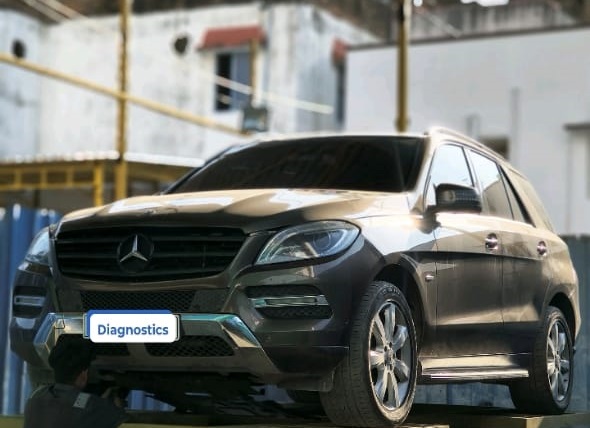
Case Overview: Mercedes-Benz ML W166 (OM642)
Customer Complaint:
The owner of a Mercedes-Benz ML W166 reported the following symptoms:
- – Noticeable throttle lag when accelerating.
- – Intermittent check engine light illumination.
- – Rough or erratic idle during stop-and-go driving and uphill climbs.
Given the combination of poor throttle response and a warning light, the vehicle was brought in for a full system diagnosis.
Step 1 : Initial Diagnostic Scan (XENTRY Analysis)
A full vehicle scan was performed using the Mercedes-Benz STAR XENTRY diagnostic platform the official OEM tool for reading and interpreting ECU fault data.
The scan revealed one key active and stored fault code:
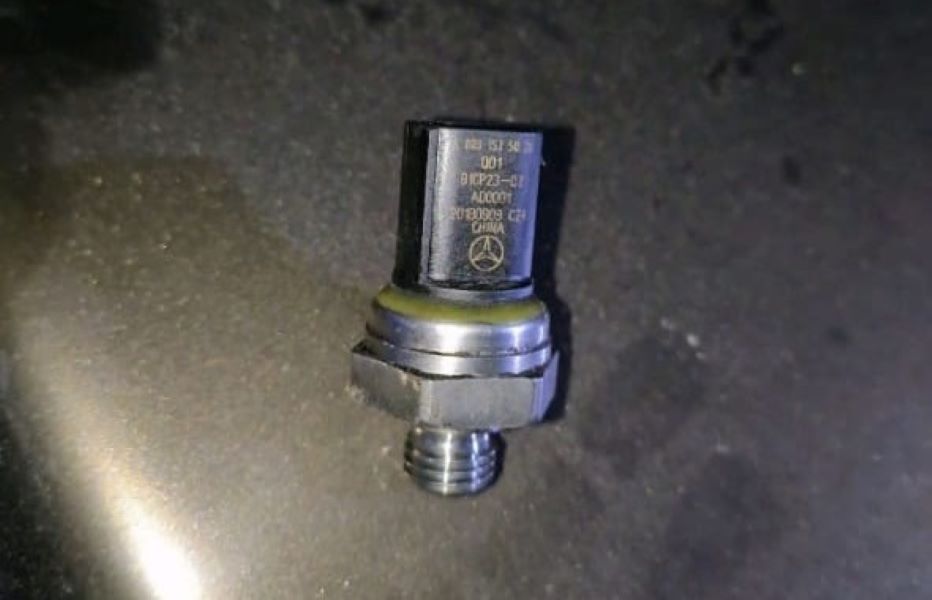
DTC 159300 : “There is an internal fault in component B60 (Exhaust Pressure Sensor).”
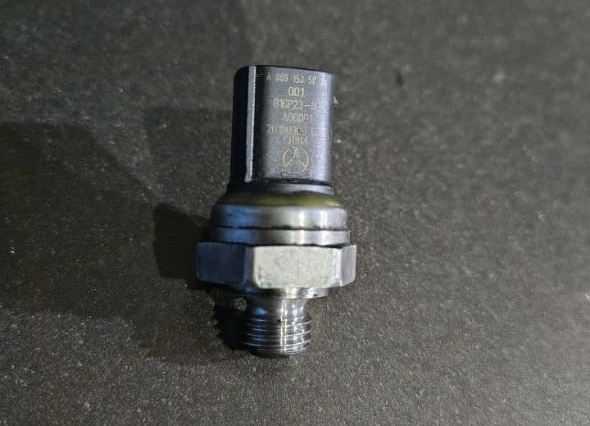
This code pointed directly to an internal fault in the B60 exhaust pressure sensor, a vital component that monitors diesel exhaust flow and pressure upstream and downstream of the Diesel Particulate Filter (DPF).
Step 2 : Understanding the Role of the B60 Exhaust Pressure Sensor
The B60 sensor continuously measures exhaust gas pressure to help the Engine Control Unit (ECU):
- – Evaluate soot loading in the DPF,
- – Trigger DPF regeneration cycles,
- – Maintain exhaust backpressure balance for efficient turbo operation.
When this sensor fails, the ECU receives false pressure data disrupting air-fuel mixture and turbo boost regulation.
As a result, drivers may experience:
- – Slow or hesitant throttle response,
- – Turbo lag or delayed boost pressure,
- – Incomplete DPF regeneration,
- – Increased emissions and poor idle stability.
Step 3 : Troubleshooting and Sensor Testing
The technician followed a structured diagnostic flow to verify the sensor fault.
Visual Inspection
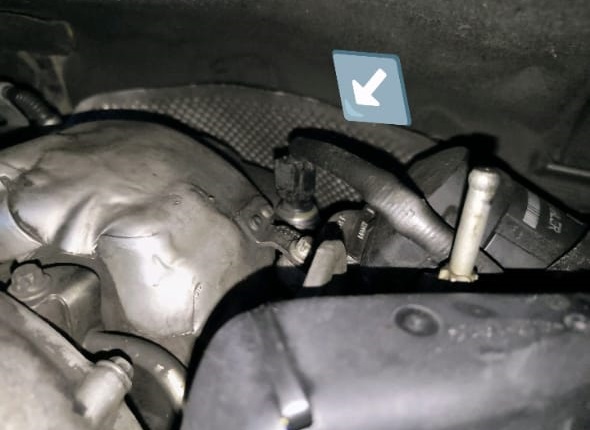
- – Checked the B60 wiring harness and connector for corrosion, chafing, or water entry.
- – No visible damage was found, ruling out external electrical interference.
Electrical Testing
- – Using a digital multimeter, voltage signals from the sensor were monitored.
- – Voltage remained static across all operating conditions confirming that the sensor was internally defective and not sending variable signals to the ECU.
Component Replacement
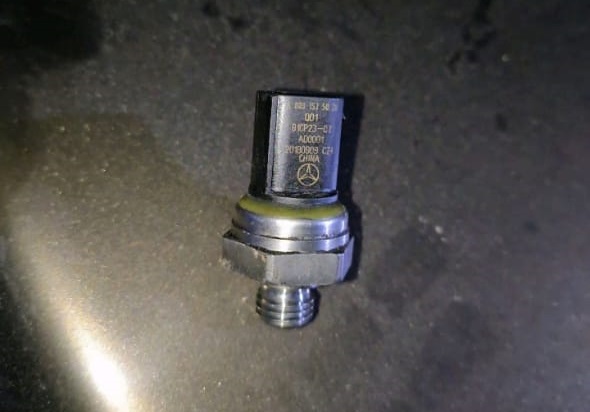
- – The faulty B60 exhaust pressure sensor was replaced with a genuine OEM part.
- – Correct installation ensured accurate pressure feedback and reliable ECU data.
DTC Reset & System Calibration
- – After replacement, the technician cleared all fault codes and reinitialized the exhaust management system via XENTRY.
- – Live data confirmed the new sensor was actively responding to exhaust pressure changes.
Step 4 : Post-Repair Verification
A comprehensive road test was carried out across multiple conditions, including acceleration from a stop, highway merging, and hill climbs.
The results were immediate and conclusive:
=> Throttle lag was fully eliminated.
=> Idle speed stabilized.
=> Turbo response became smoother and more linear.
=> No DTCs reappeared after multiple ignition cycles.
The vehicle regained its expected performance and drivability confirming a successful repair.
Conclusion: Fixing Throttle Lag in Mercedes ML W166
This case demonstrates how a faulty exhaust pressure sensor (B60) can mimic more complex performance issues like throttle lag or turbo failure.
By performing proper diagnostics instead of replacing parts blindly the root cause was identified and resolved efficiently.
Key Lessons for Technicians & DIY Enthusiasts:
- – Always verify sensor outputs with a multimeter or live data before replacement.
- – Use OEM-grade sensors only; aftermarket sensors can send incorrect pressure readings.
- – After installation, perform system reinitialization and test drive validation to confirm stability.
If your Mercedes displays throttle lag and a check engine light, start by scanning for DTC 159300 or similar exhaust pressure faults.
A quick and accurate diagnosis could save you from unnecessary turbo or DPF repairs.
Learn more about similar real-world cases and diagnostic workflows in our main hub: Mercedes Check Engine Light: Complete Troubleshooting Hub
— Salim, Mercedes Expert
Independent specialist in Mercedes-Benz diagnostics, CAN Bus analysis, troubleshooting case studies, and EV systems.