

Table of Contents
P0073 Mercedes Fix: High-Speed Fan Problem in S-Class W222 (Case Study & Full Diagnostic Guide)
When a Mercedes-Benz S Class W222 suddenly starts running its AC condenser fan at maximum speed from the moment you start the engine, it typically means one thing: the control unit is receiving implausible sensor data and activating a failsafe mode to protect the engine.
In this case study, we diagnose and fix fault code P0073 on a Mercedes S Class 222 equipped with the OM642 engine a real-world scenario where the fan wouldn’t stop running at full power until the ignition was switched off.
To explore more sensor faults, wiring issues, CAN communication failures, and ECU-related repairs, refer to our master hub:
Mercedes Electrical Problems: Fix SAM, ECU & CAN Bus Faults
Case Overview: Mercedes S Class W222 ; Fan Running at Maximum Speed
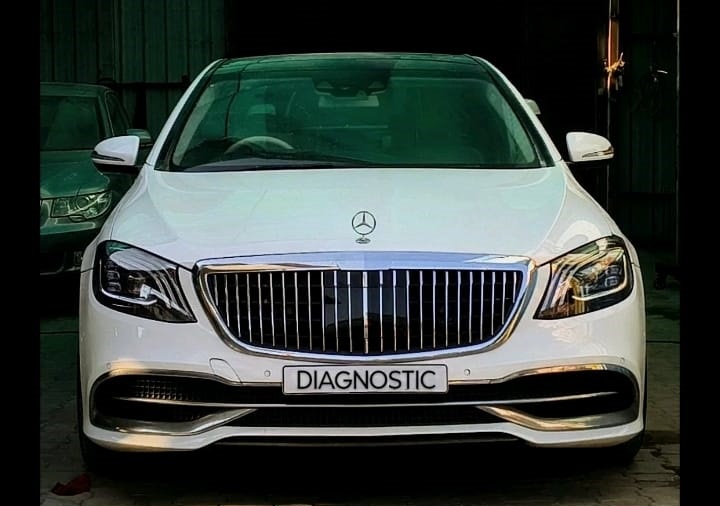
Vehicle: Mercedes-Benz S Class 222
Engine: OM642 engine
Complaint: Fan immediately activates at full speed and does not turn off until the ignition is stopped.
Symptoms
- – Fan runs at maximum speed right after engine start
- – No overheating present
- – Fan stops only when ignition is turned off
- – Check engine light may or may not be present
This behavior is common in Mercedes models when the ECU receives invalid or missing temperature data triggering emergency cooling mode.
Diagnostic Scan: Confirming Fault Code P0073
A diagnostic session was performed using Mercedes XENTRY.
Stored DTC: P0073 ; Charge Air Temperature Sensor, Signal Implausible
This code indicates that the charge air temperature sensor (B17/8) is sending impossible or missing data. When this happens, the ECU assumes the charge air temperature is dangerously high, activating the fan to full speed for protection.
Root Cause Identified
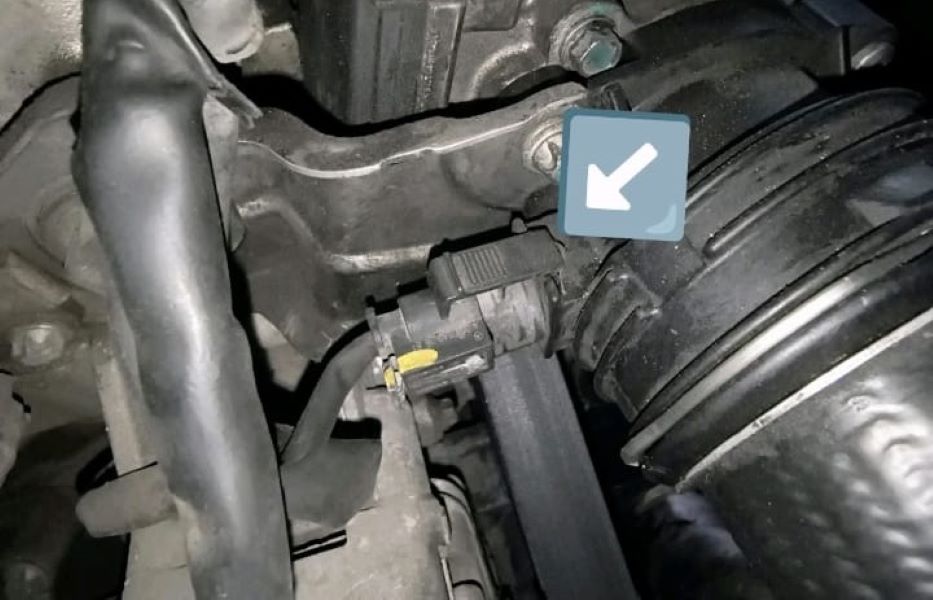
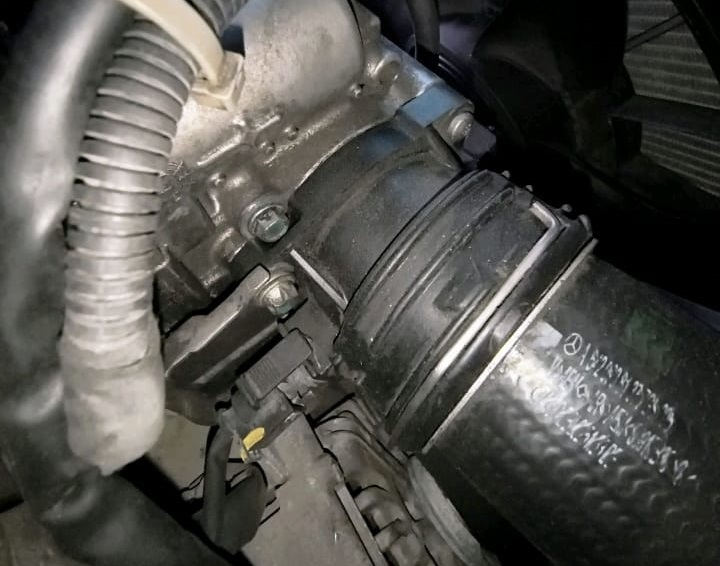
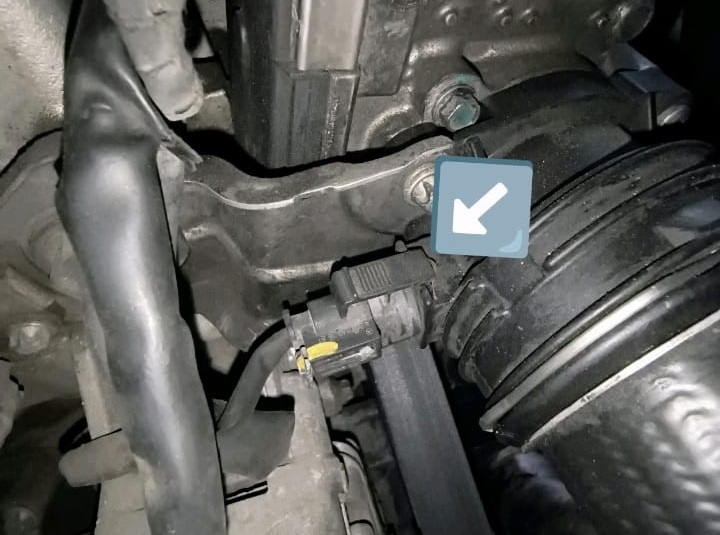
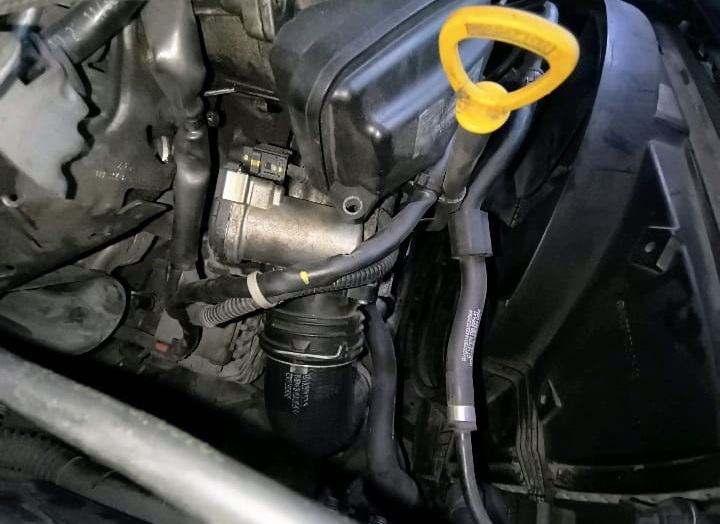
Technicians located the Charge Air Temperature Sensor (B17/8) downstream of the intercooler.
Problem Found: Loose and partially disconnected connector
Because of the bad connection:
- – The sensor sent no valid signal
- – The ECU defaulted to maximum cooling mode
- – The fan ran at full speed as a failsafe
- – Fault P0073 was stored
Solution
- – Connector was reattached securely
- – Fault codes were cleared
- – Live data confirmed normal charge air temperature readings
- – Fan operation immediately returned to normal
How to Fix P0073 on a Mercedes (Step-by-Step)
1. Read Fault Codes (XENTRY recommended)
Confirm:
- – P0073 present
- – No additional temperature or CAN-related faults
2. Inspect Charge Air Temperature Sensor (B17/8)
Check:
- – Loose connector
- – Bent pins
- – Corrosion
- – Damaged wiring
- – Previous repairs or rodent damage
3. Test the Sensor
Measure:
- – Resistance or voltage according to Mercedes specifications
Replace only if out of range.
4. Clear Codes and Recheck Fan Operation
After the fix:
- – Start engine
- – Monitor fan speed
- – Check live data
- – Ensure normal temperature readings
Other Causes of High-Speed Fan Operation (If P0073 Not Present)
1. Low AC Refrigerant Pressure
Triggers fan to protect compressor.
2. Coolant Temperature Sensor Fault
False overheating signals force fan activation.
3. AC High-Pressure Sensor Failure
Incorrect pressure readings create emergency cooling mode.
4. Wiring Harness Damage
Common in the lower front area; check grounds and CAN lines.
5. Fan Control Module / Relay Fault
Can become stuck in the ON position.
6. ECU Software Errors
Occasionally requires update or reprogramming.
Why Mercedes Fans Default to Maximum Speed
If a temperature or pressure sensor sends:
- – Implausible data
- – Missing signal
- – Short circuit to ground or power
The ECU assumes critical overheating and enters safe mode.
This protects:
- – Turbocharger
- – Charge air cooler
- – AC system
- – Engine block and pistons
It’s a designed safety strategy not a fault of the fan itself.
Conclusion
In this real-world case, P0073 in a Mercedes S Class W222 was caused by nothing more than a loose connector on the charge air temperature sensor. After reconnecting the sensor and clearing the code, the vehicle returned to normal behavior instantly.
This demonstrates an essential rule in Mercedes diagnostics:
=> Always inspect connectors, wiring, and live-data signals before replacing sensors or ECUs.
For more case studies, wiring faults, CAN bus errors, SAM issues and ECU faults, visit our hub:
Mercedes Electrical Problems: Fix SAM, ECU & CAN Bus Faults
— Salim, Mercedes Expert
Independent specialist in Mercedes-Benz diagnostics, CAN Bus analysis, troubleshooting case studies, and EV systems.